PRISM

Precision Relocation via Intelligent Slide Manipulation

An intelligent robotic system for automated slide handling

EECS/ME 206A - Team 45 |
Explore Project

Introduction

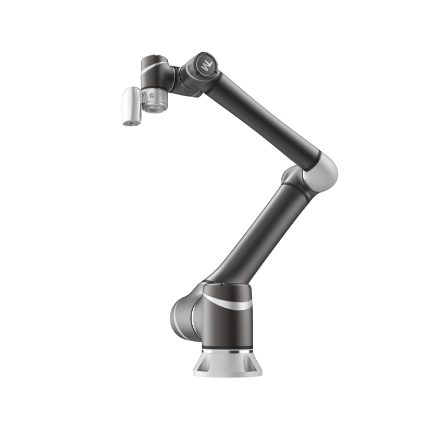
This project is an Industry Track collaboration with Ember Robotics to design and implement a vision-guided pick-and-place system using a Techman robotic arm. Our goal is to manipulate fragile glass lab slides with high precision, which requires robust object detection, accurate motion planning, and precise actuation. This work addresses critical challenges in places such as laboratory environments or chemical handling manufacturing lines, where current workflows suffer from:

👷‍♂️

Manual & Inefficient

Current slide handling workflow requires manual intervention

🦠

Contamination Risks

Potential contamination risks that affect experiment results

Our Goal

We designed, built, and tested a vision-guided pick-and-place system using a Techman TM12 robotic arm that can manipulate and relocate lab glass slides with high precision. For successful task execution, the robot detects the position and orientation of each slide, picks it from a source tray, and places it accurately onto a target rack. This project tackles several interesting technical problems that make automated slide manipulation difficult:

  • Computer vision for slide identification
  • Precise pick-and-place in 3D space
  • Robust operation for continuous tasks
PRISM goal illustration

Our approach combines computer vision, motion planning, and custom hardware into a complete ROS2 system. We detect slide poses, compute precise trajectories, and execute robust pick-and-place actions with a custom adapter and gripper, targeting repeatable performance in real-world laboratory settings.
Results

The final system demonstrates consistent and repeatable slide manipulation across multiple trials, as shown in the visual demonstrations below.

Design

Design Criteria & Requirements

Functional Requirements:

System Constraints:

Design Overview

The system is designed as a modular pipeline consisting of perception, planning, and actuation components. Hardware design focuses on a custom adapter to ensure mechanical stability, while software design emphasizes clear separation between sensing and execution through iterative refinement. This architecture separates concerns, enabling independent development and testing of each module while maintaining clear interfaces through ROS2 topics and services.

System Architecture

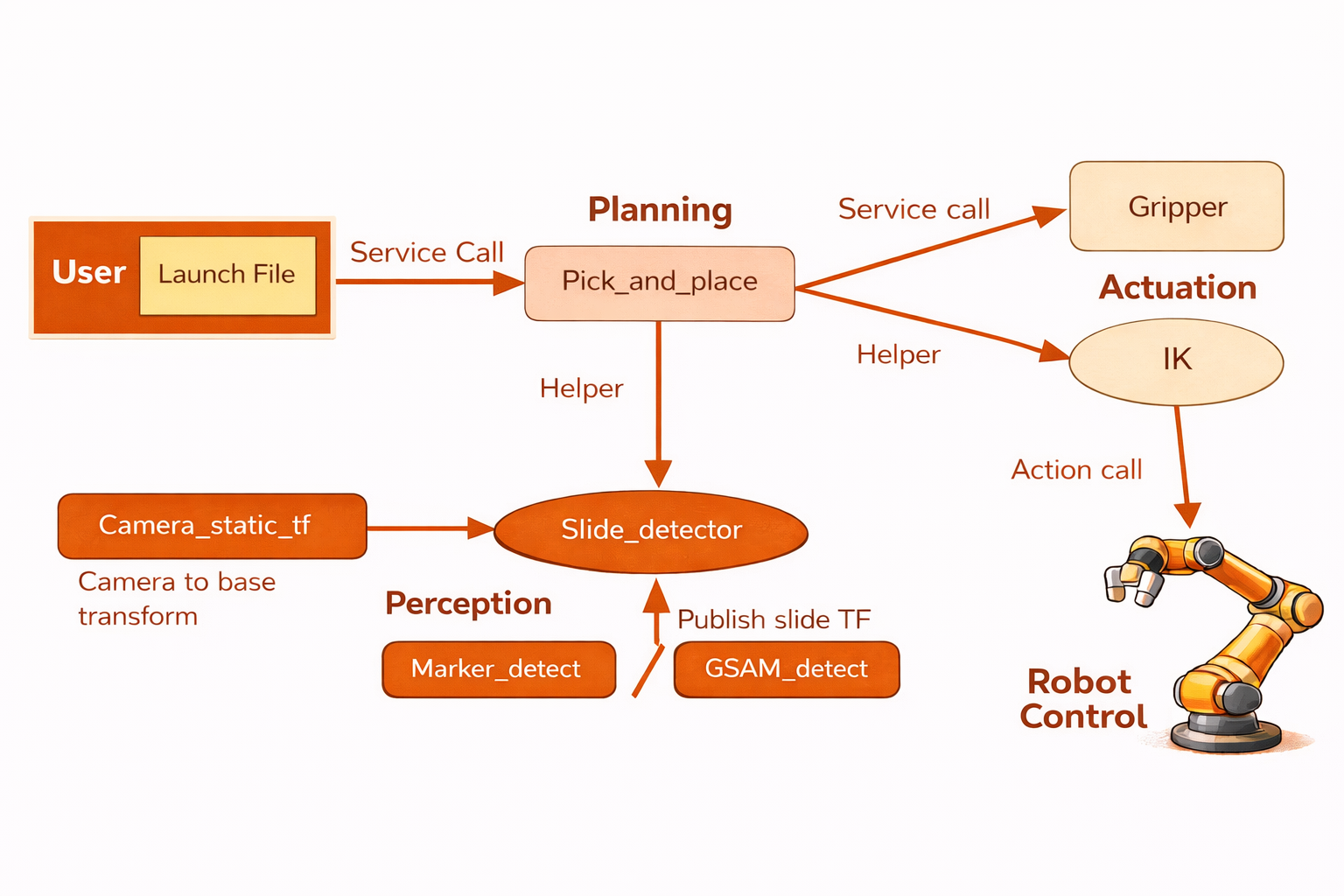
The system is designed to be launched via a centralized launch file that initializes all necessary ROS2 nodes. Once ready, the user sends a service request to the pick_and_place node, which orchestrates the entire manipulation pipeline. This node calls the slide_detector helper node to obtain slide information. The slide_detector subscribes to detected slide transforms (TFs) from either marker_detect or gsam_detect nodes and maintains a queue of slides to be picked. A static_tf_broadcaster connects the camera frame to the robot's TF tree, establishing the spatial reference. Finally, the ik_node computes inverse kinematics and generates optimal collision-free paths using MoveIt2, while the gripper_server node controls the servo actuator via Arduino interface.

PRISM System Architecture

Key Design Choices & Trade-offs

Design Choice Rationale Trade-off
Dual perception methods (ArUco + G-SAM) ArUco is fast but needs markers; G-SAM is flexible but slower Speed vs. adaptability. Therefore, we provide both options for the users to choose
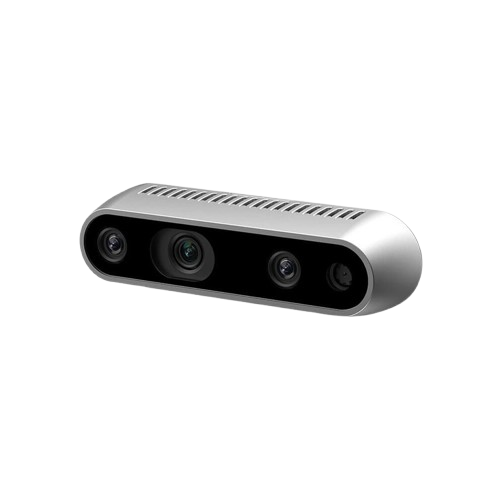
Intel RealSense D435i camera Camera already available for us; small and lightweight; Better resolution and frame rate than built-in camera Additional hardware to mount and wire, but saves development time and provides the quality needed for precise slide detection
MoveIt2 + RRTstar planner Proven collision avoidance, handles complex joint constraints; team members familiar with this library Slower than analytical IK, but more robust for obstacles
Custom adapter (v2 with ribs) No off-the-shelf mounts could fit camera + gripper together in desired location and orientation Added design/fabrication time (especially multiple iterations), but customizable to our exact needs
Arduino-controlled gripper Jetson Nano PWM was unstable over long distances; offloading to Arduino Nano improved reliability Extra hardware component and cable, but cleaner ROS2 interface

Impact on Real World Engineering Criteria

These design choices directly improve real-world performance: Robustness is achieved through dual perception methods (ArUco and G-SAM) that provide fallback options when markers are unavailable or slides are repositioned, plus the MoveIt2 IK solver that prevents trajectory planning failures. Durability comes from the reinforced adapter v2 that survived 20+ test cycles without cracking, and the careful selection of wire gauges and WAGO connectors that reliably power the gripper. Efficiency is demonstrated by ArUco detection running at 30 fps for real-time operation, and the Arduino-controlled gripper achieves minimal latency because it runs dedicated bare-metal code. The modular ROS2 architecture also allows parallel development and easy component swapping, reducing integration time during testing and debugging.

Implementation

The implementation integrates custom hardware with a software pipeline for perception, motion planning, and execution, enabling reliable end-to-end slide manipulation.

Perception

The perception module is responsible for detecting the microscope slide and estimating its pose within the workspace. Using Intel RealSense input, the system identifies the slide’s position and orientation relative to the robot with CV algorithm, providing a consistent geometric reference for downstream modules. Accurate perception is critical for reliable grasping, as small errors in pose estimation can lead to failed grasps or misalignment during placement.

Challenge

Detect yellow slide box and transparent glass slides using PURE RGB only!

Input: An RGB image

Output: Slide position + orientation (in SE3)

Technical Challenge: Depth cam cannot see through transparent glass slide

Perception sensor

Strategies

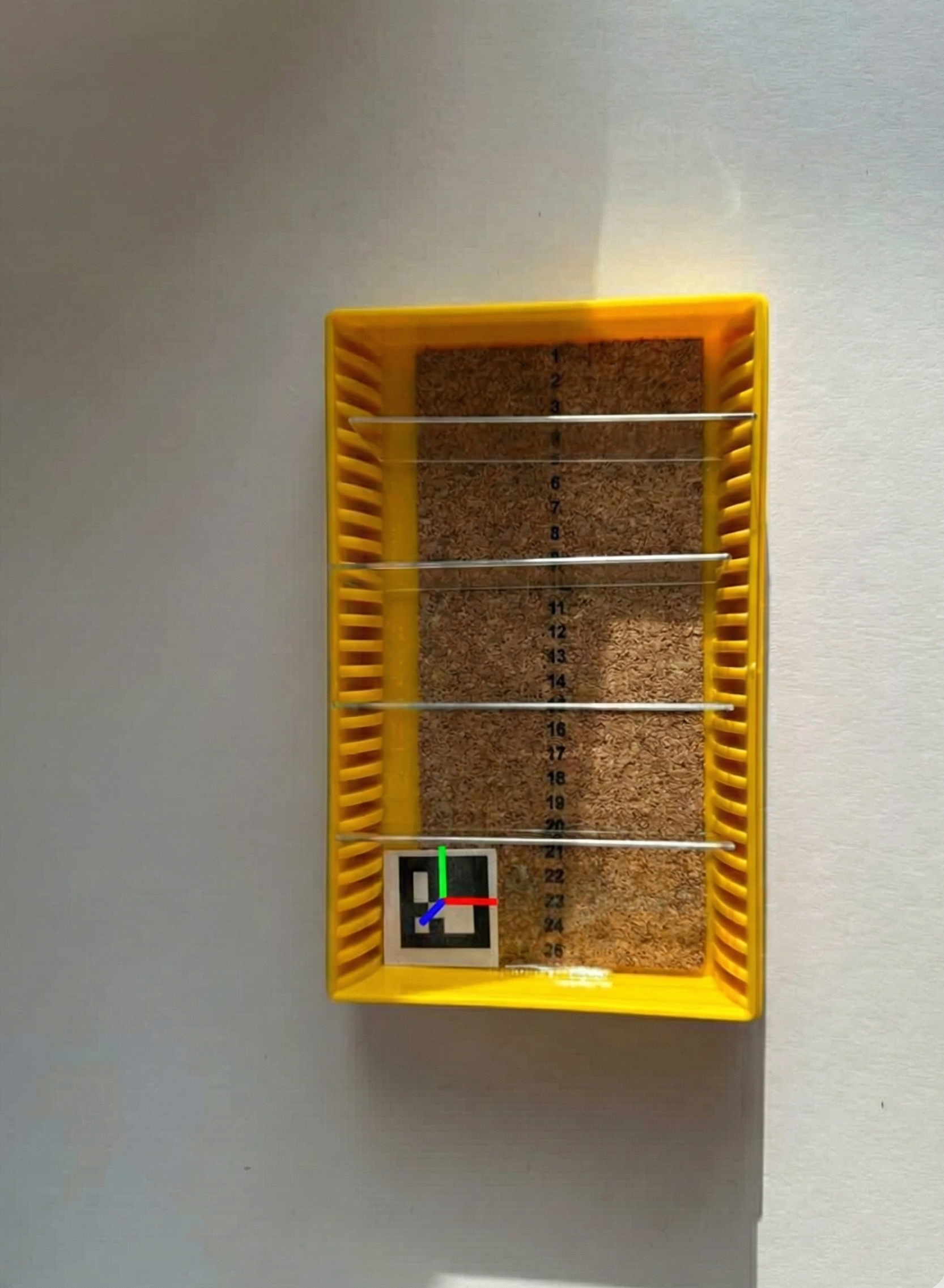
ArUco Marker + OpenCV

Marker Detection
Box Localization
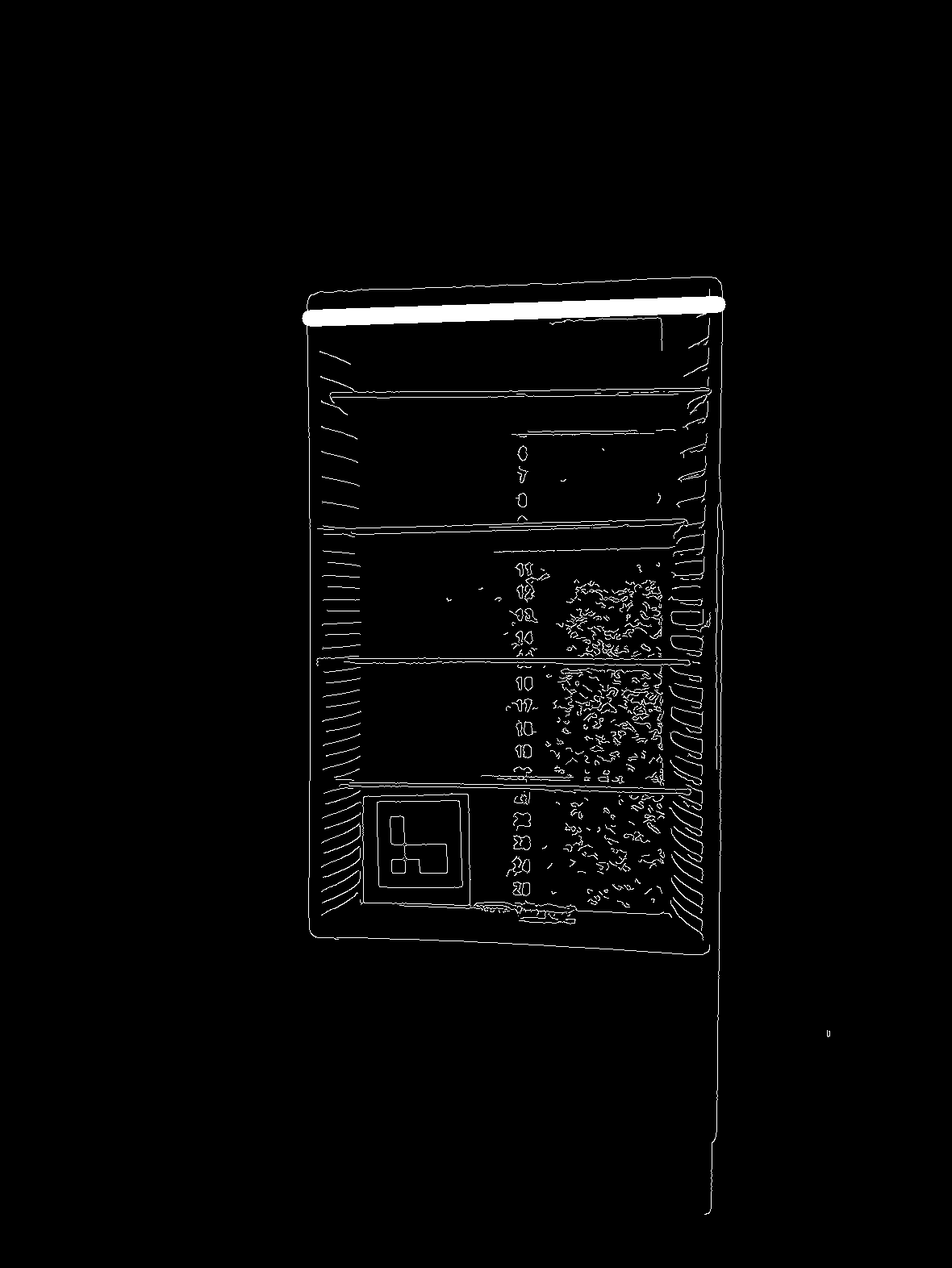
Slide Detection
Frame Publication
  • Marker Detection: Stable OpenCV library to locate the box & region of interest
  • Output: SE3 of box (x-y position, depth, orientation)
  • Slide Detection: Canny edge detection with 25 kernels for possible slots
  • Performance: Very high reliability, fast processing
  • Limitation: Requires marker, fixed slide position
ArUco marker detection

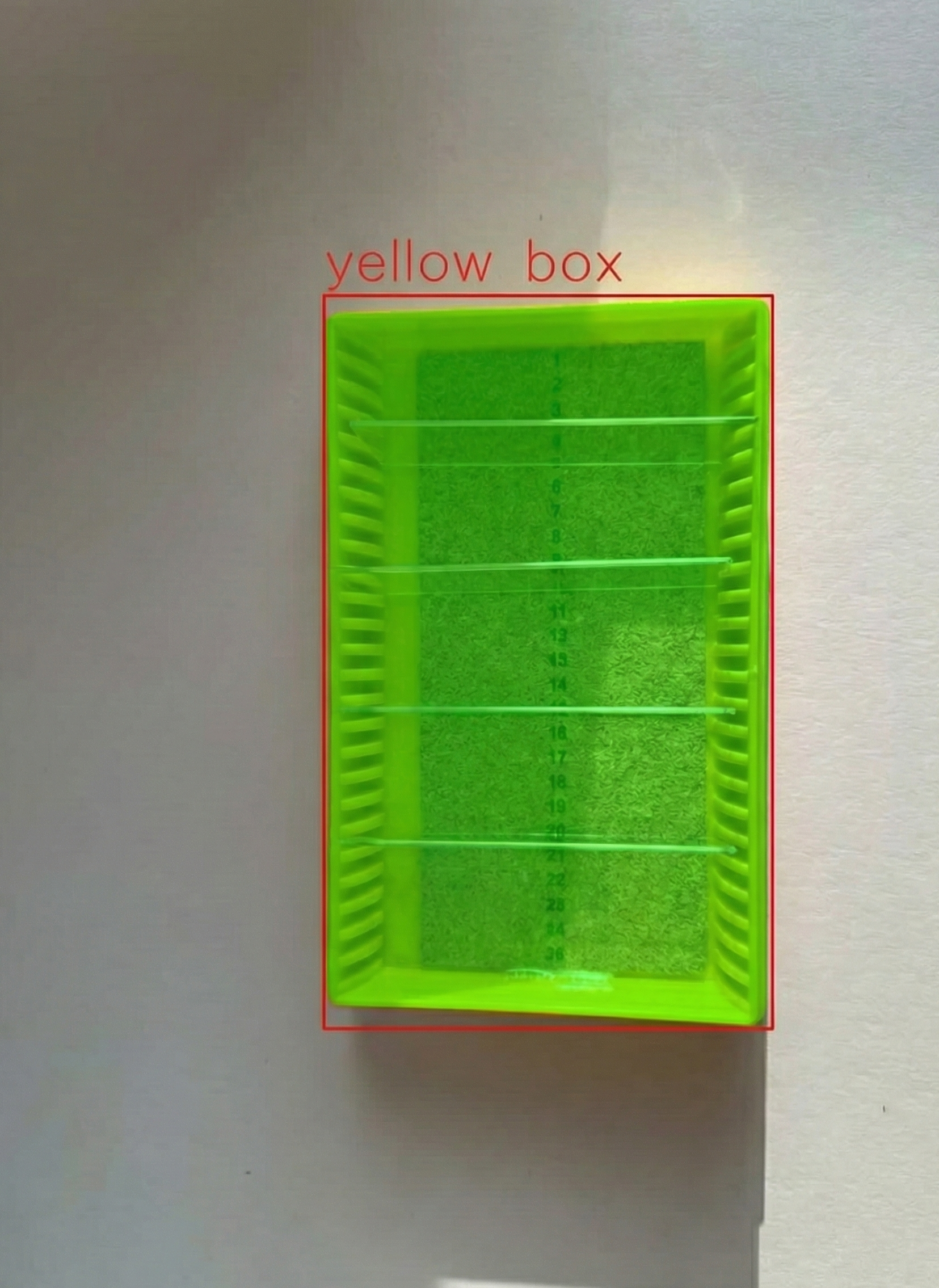
G-SAM (GroundedDINO + SAM)

Text-Object Detection
Image Segmentation (SAM)
Slide Detection
Frame Publication
  • GroundedDINO: Text-based object detection for identifying objects
  • SAM: Segment Anything for precise image segmentation
  • Output: Object boxes and masked objects
  • Performance: High reliability, slower processing
  • Advantage: No marker required, adaptable to any slide position
G-SAM detection pipeline

Detection Visualization

Kernel Index 1
Kernel frame

Method Comparison

Metric ArUco Markers G-SAM
Speed Fast Slower
Reliability Very High High
Marker Required Yes No
Adaptability Any slide position and orientation Any slide position and orientation

Planning

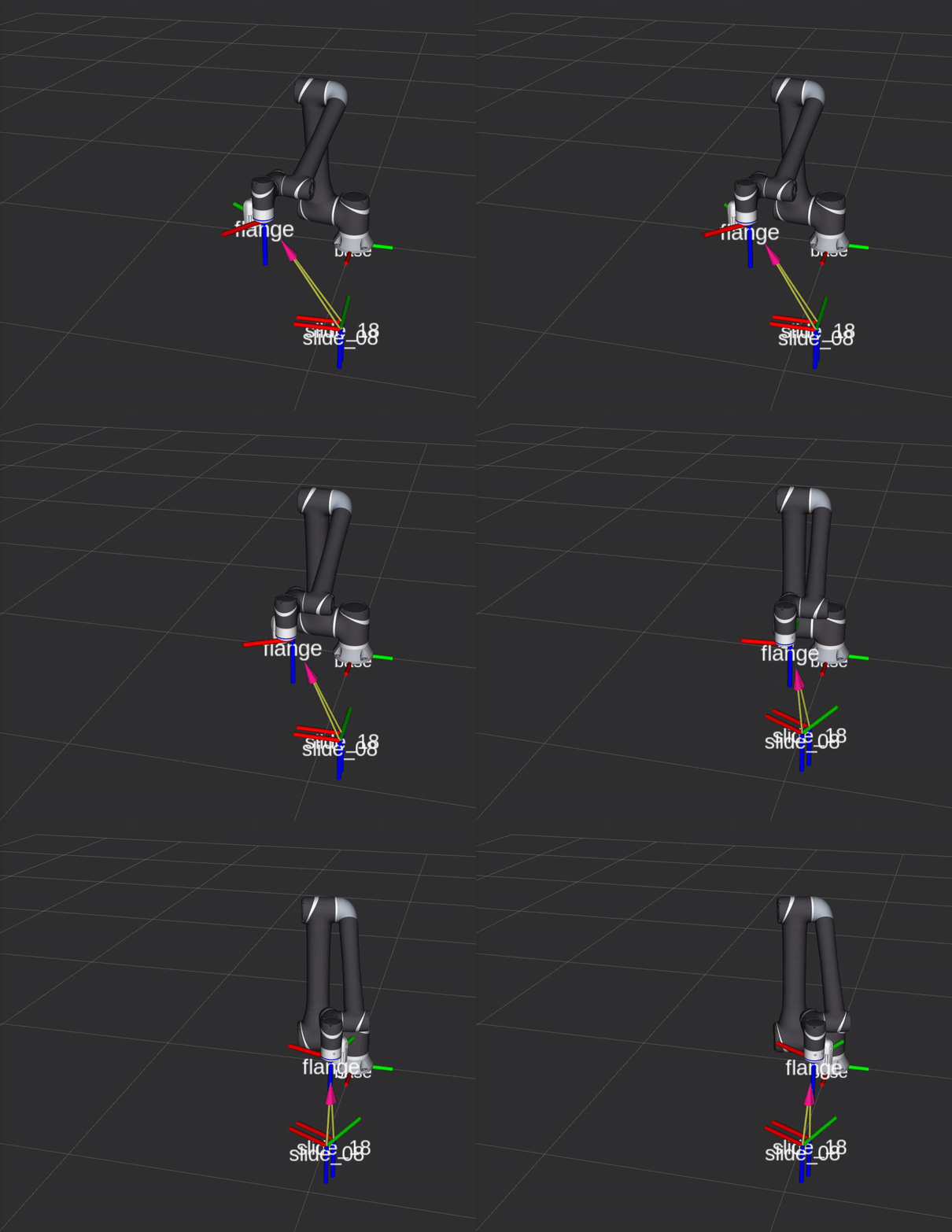
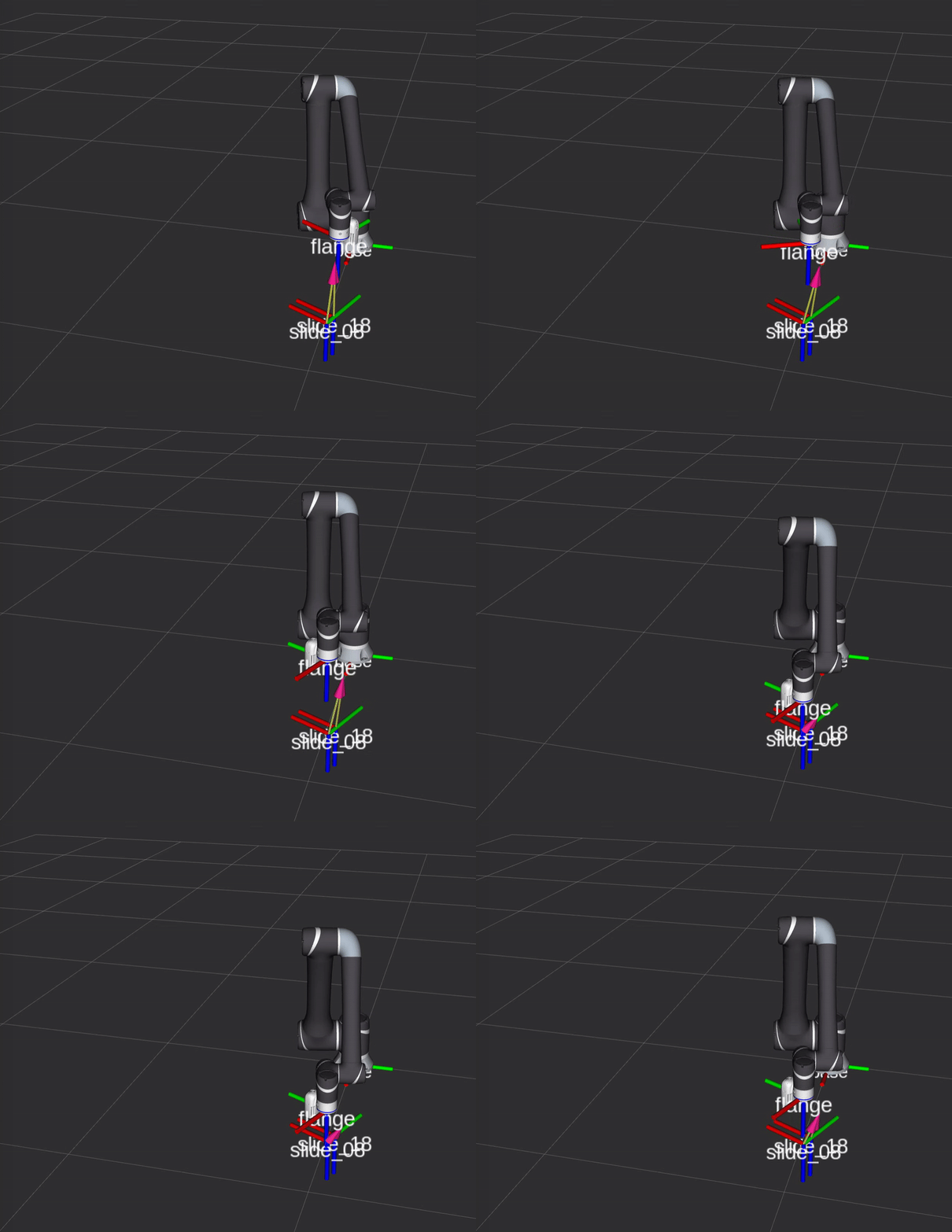
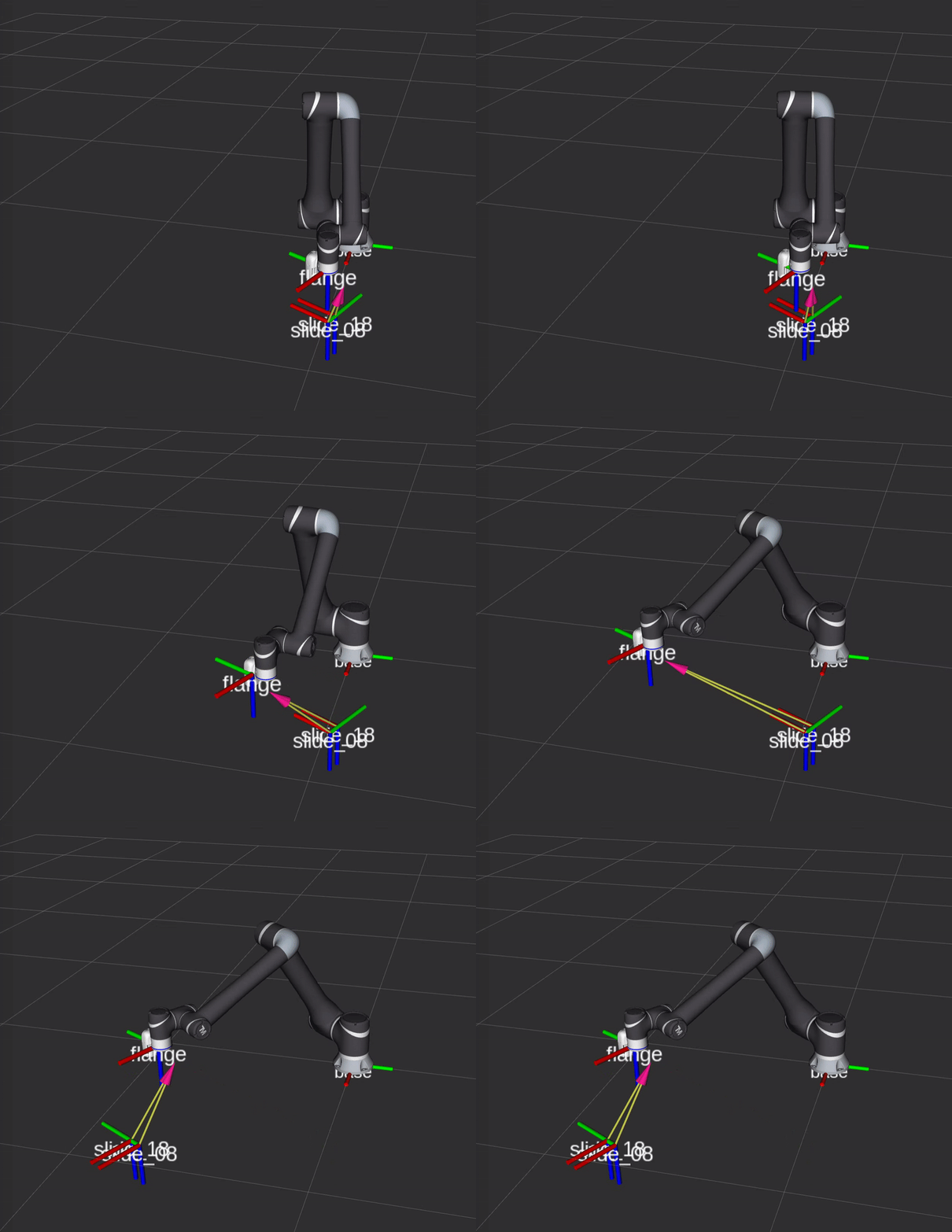
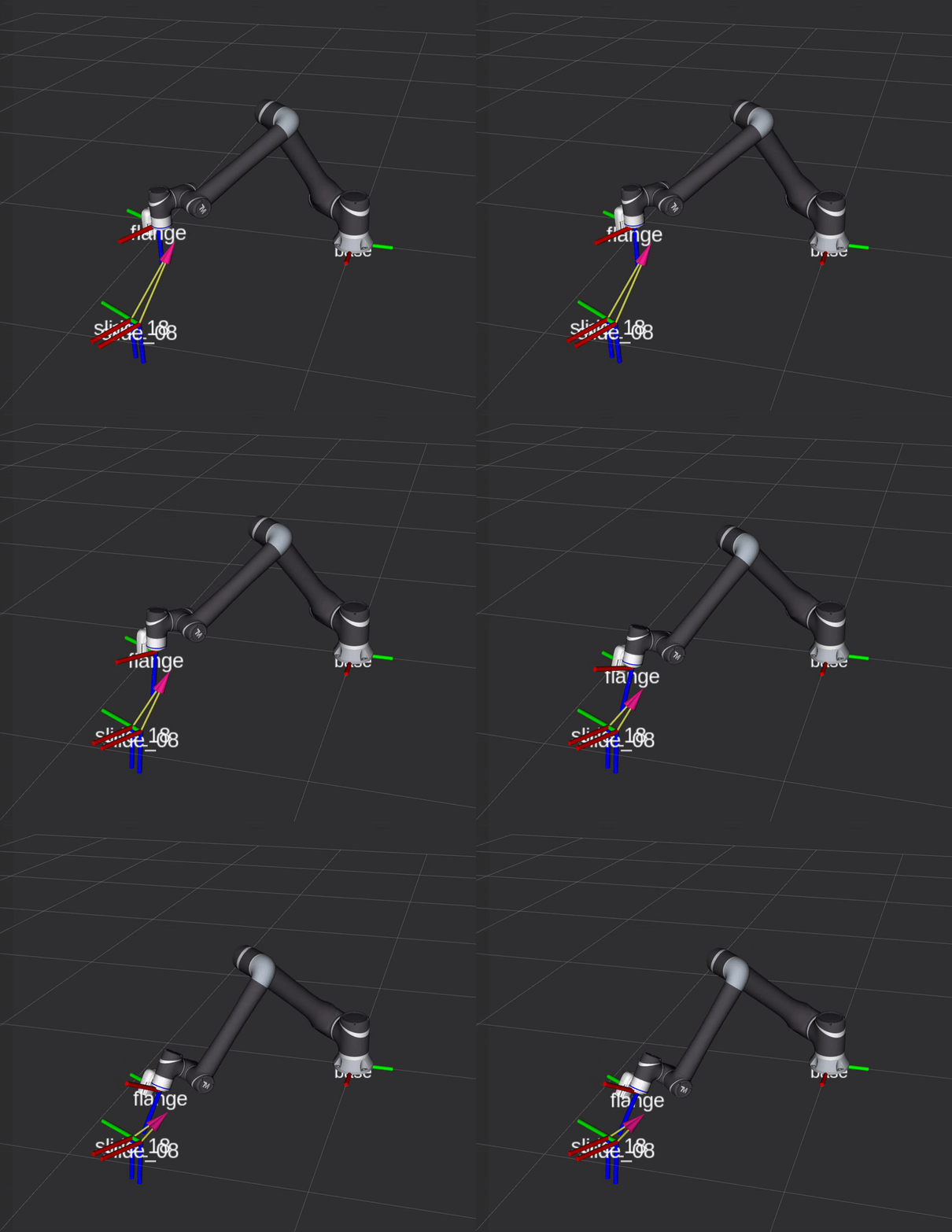
The planning module takes the estimated slide pose from the perception stage and uses MoveIt2 to compute a feasible, collision-free motion plan for the robotic arm. This includes determining appropriate approach, grasp, and retreat motions while respecting kinematic constraints and environmental obstacles. The resulting trajectory ensures that the robot can safely and smoothly reach the target pose without violating task constraints.

1. Scan & Queue

Parse TFs to build target list

2. Aligned Pick

Match frame & grip

3. Move to Target

Plan & transport

4. Tilt & Place

Release with tilt

Slide Detection Demo
Pick and Place Demo
Transport to target
Placement

Computer Vision with MoveIt2

Integrating TM12 kinematics (link_6) for precise manipulation

ik.py Implementation

  • Inverse Kinematics: MoveIt2 /compute_ik service for pose-to-joint conversion
  • Trajectory Planning: RRTstar planner with scene objects and enforced joint limits
  • Execution: /follow_joint_trajectory action client with dual velocity profiles
    • Z-axis: 20% velocity
    • XY-axes: 40% velocity
  • Technical Challenge: Quaternion normalization required for stable IK solutions

Key Capabilities

  • Pose → target joint angles conversion
  • Collision avoidance
  • Stable after quaternion fix
  • Optimized path planning with RRTstar

Actuation

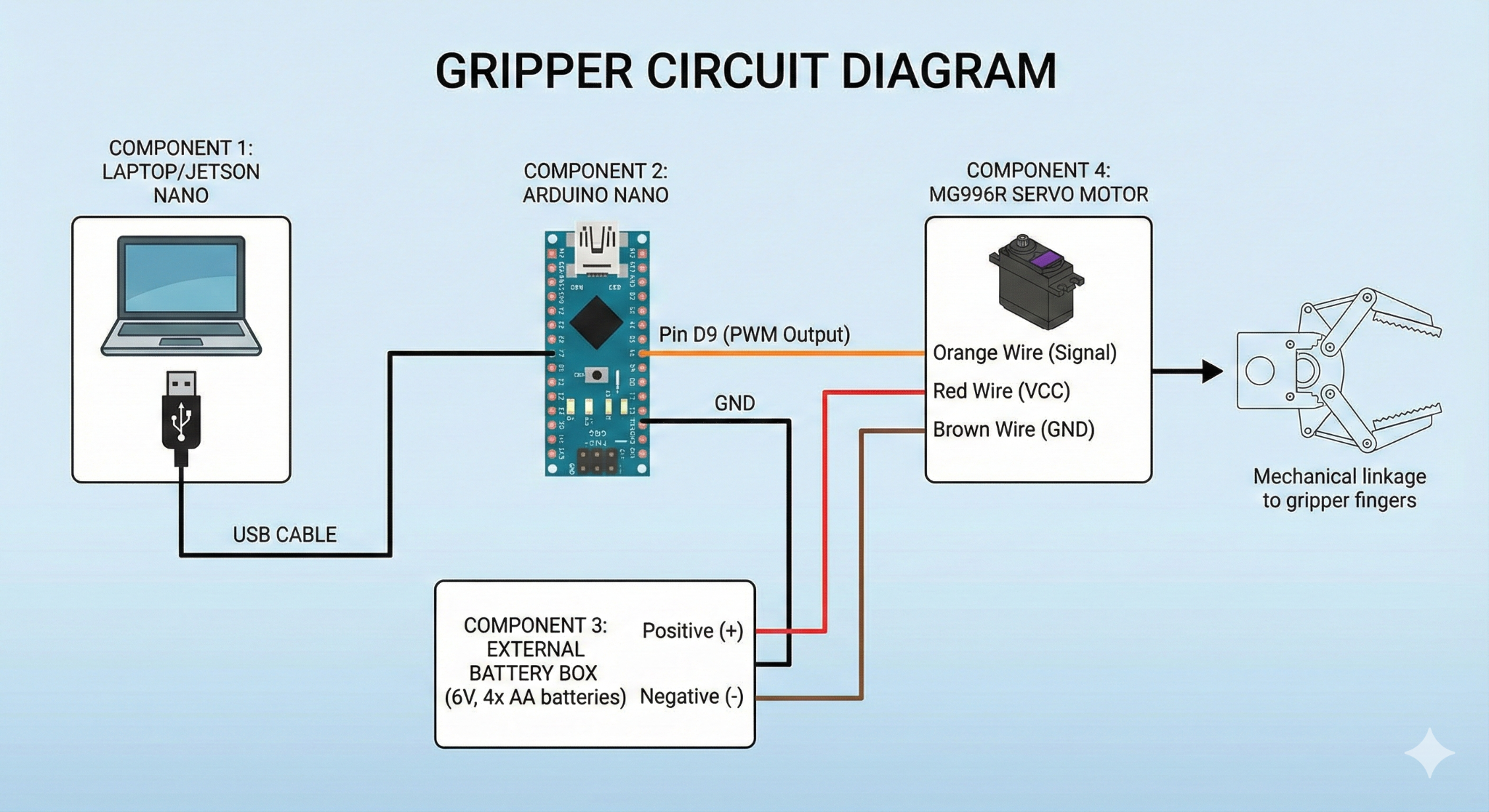
The actuation module executes the planned trajectory on the physical robot by sending motion commands to the arm and gripper. It coordinates joint-level control to achieve stable grasping and precise placement of the slide. Reliable actuation is essential for closing the loop between planning and real-world execution, ensuring that planned motions translate into consistent physical behavior. The gripper evolved from an initial MG996R servo design to an improved Arduino Nano–controlled gripper (USB to ROS2), providing more stable pick-and-place performance with the custom adapter.

Challenge

  • No gripper available to use
  • Built-in camera unable to access when ROS2 listener node is running

Our Solution

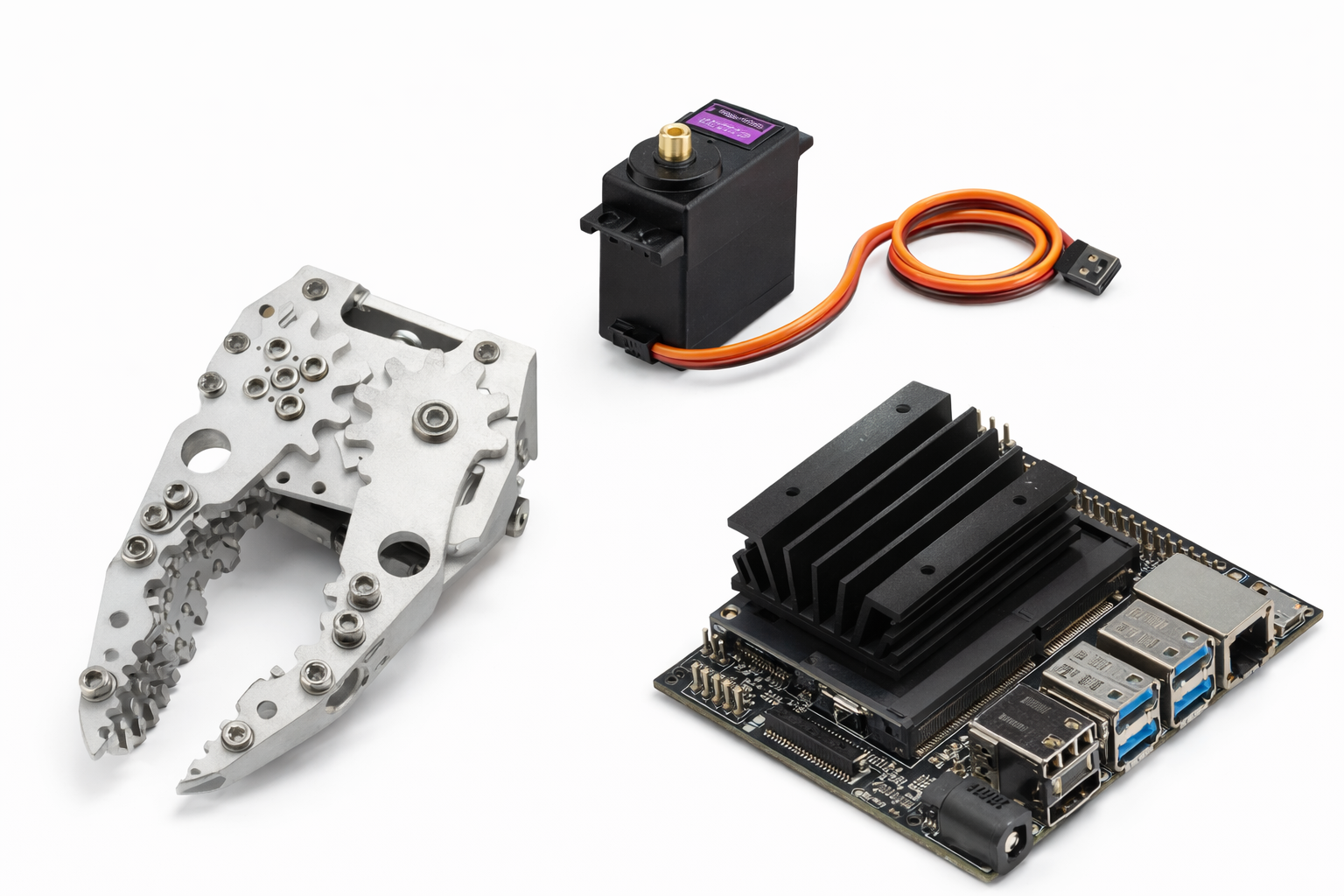
Design a custom gripper to pick and place slides, and CAD an adapter to mount camera and gripper

Initial Gripper

Initial Gripper
  • Motor: MG996R servo motor (PWM-Controlled)
  • Power: 4 AA battery holder (6V supply)
  • Controller: Jetson Nano as ROS2 computer

Improved Gripper

Gripper control diagram
  • Enhanced Control: Arduino Nano mounted next to gripper
  • Communication: USB (Serial) back to ROS2 computer
  • Software: Gripper server in ROS2 + PWM Arduino code
Hardware Components

Hardware Setup

CAD and 3D-print an adapter to connect:

  • Techman TM12M robot arm
  • Intel RealSense D435i depth camera
  • MG996R servo gripper

Adapter Iteration

Version 1

Loading 3D model... ensure model-viewer script is available.

  • Column structure failed after a few tests
  • Required a more robust structure

Version 2

Loading 3D model... ensure model-viewer script is available.

  • Higher infill rate to increase overall stiffness
  • Stronger ribs to distribute stress more equally
  • More suitable rib dimensions for simpler assembly

Conclusion

Summary

This project delivers a full-stack, vision-guided pick-and-place system for fragile lab slides, integrating perception, planning, and actuation on a Techman arm with custom adapters and grippers. Robust perception (ArUco and G-SAM), MoveIt2-based planning, and iterative hardware refinements improved grasp stability and placement accuracy. The system demonstrates consistent end-to-end performance under real laboratory constraints, showing that careful sensing, trajectory generation, and execution can reliably automate slide handling.

Future Work

Future work focuses on four upgrades: a more robust CV model (e.g., end-to-end YOLO) to increase detection speed, improve accuracy, and reduce false positives; an adaptive gripper to handle a wider range of slide thicknesses and materials while maintaining a stable grasp; more precise placement to preserve orientation and spacing, preventing downstream alignment issues; and speed optimization via precomputed paths plus performance monitoring to cut cycle time and surface anomalies early. Together, these enhancements aim to make the system faster, more reliable, and easier to deploy across diverse lab workflows.

🎯

Robust CV Model

End-to-end YOLO model after dataset collection

🤏

Adaptive Gripper

Enhanced gripper design for various slide types

📊

Precise Placement

Accurate placement in sorted order

Speed Optimization

Improve throughput by precomputing paths

Team 45

Name Contribution Background
David Chen Actuation David is an EECS M.Eng. student specializing in Robotics and AI. He completed his undergraduate studies in Computer Science and Engineering at UC Irvine, where he worked on various embedded software projects involving object detection algorithms, neural networks, Raspberry Pi, Arduino, and drones. He also has hands-on experience in vehicle engineering and technical project management through his role as the Project Manager of the UCI Solar Car Project, where he led a multidisciplinary team in building a fully solar-powered electric vehicle from the ground up in two years.
Ryan Chung Website, Support Ryan is an M.Eng. student in Mechanical Engineering at UC Berkeley, focusing on robotics and control. He completed his undergraduate degree in Mechanical Engineering at National Taiwan University, with a minor in Music specializing in piano performance from National Taiwan Normal University. His academic and research interests center on medical and rehabilitation robotics, where he aims to develop systems that support healthcare professionals and improve patient care. His background in piano performance offers a distinctive perspective for the team’s robotic pianist project.
Yu-Wei Chang CAD, Support Yu-Wei is an M.Eng. student in Mechanical Engineering at UC Berkeley with a high interest in robotics, control, and mechanical design. He completed his undergraduate degree in Power Mechanical Engineering at National Tsing Hua University, where he worked on various projects such as a DC motor with a PI controller, Arduino applications, and mechanical structure design. His internship experiences at two manufacturing companies gave him great insight into industry needs.
Bryan Chang Planning Bryan is a MEng student in Electrical Engineering and Computer Science at UC Berkeley, specializing in autonomous driving systems and sensor data processing. With hands-on experience from multiple internships in the autonomous vehicle industry, he has developed expertise in LiDAR perception systems and created transformer-based machine learning models to automate lane line labeling for 3D point clouds. Currently working on an autonomous racing car project, Bryan is advancing LiDAR localization systems that operate under high-performance, real-time constraints. His technical foundation spans computer vision, signal processing, and robotics, with a particular strength in transforming raw sensor data into reliable, safety-critical insights for autonomous vehicles. Bryan's passion lies in solving the complex challenges of perception and localization that enable autonomous systems to navigate safely in dynamic environments.
Kain Hung Perception Kain is an EECS M.Eng. student with broad enthusiasm in computer vision, robotics, and AI. He completed his undergraduate degree at National Taiwan University, Computer Science department with three Human-Computer Interaction projects, where he explored numerous skills in hardware and software co-designing, including Arduino, OpenCV, OpenPose, and Pytorch. His hands-on experience includes a large-scale tangible interface, a thin, card-shaped robot with ML-based perception, and a multimodal AI system.
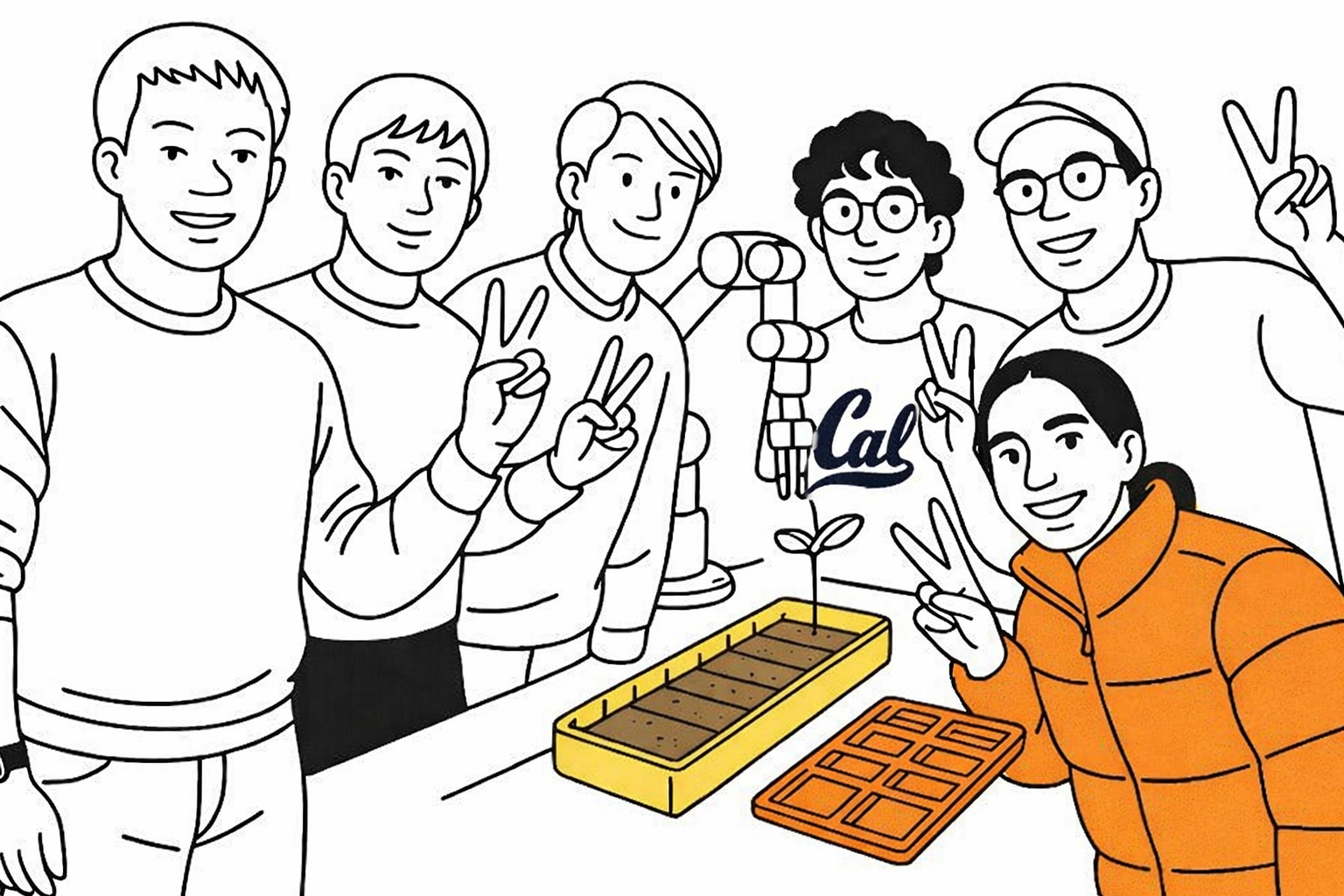
Team 45 group photo

Additional Materials

Link to our GitHub page: https://github.com/YuKai0928/25F_206A_FinalProject

Link to our Google Drive: https://drive.google.com/drive/folders/1J0ep10ODH-zIUo68zBBcHVBDpZjkjJoT?usp=sharing